charming brownstones
Explain which floors are included, whether there are interior stairs and where supplies can be stored. Agree on room priorities before estimating cleaner-hours; stairs and separate floors change how the checklist is organized.
West Village Maid Service
Plan regular upkeep, a detailed visit or a move-out clean. Choose your supply option and tell us which rooms need attention, then request availability for your preferred date.
Online self-booking · Choose your supplies · Confirm your visit
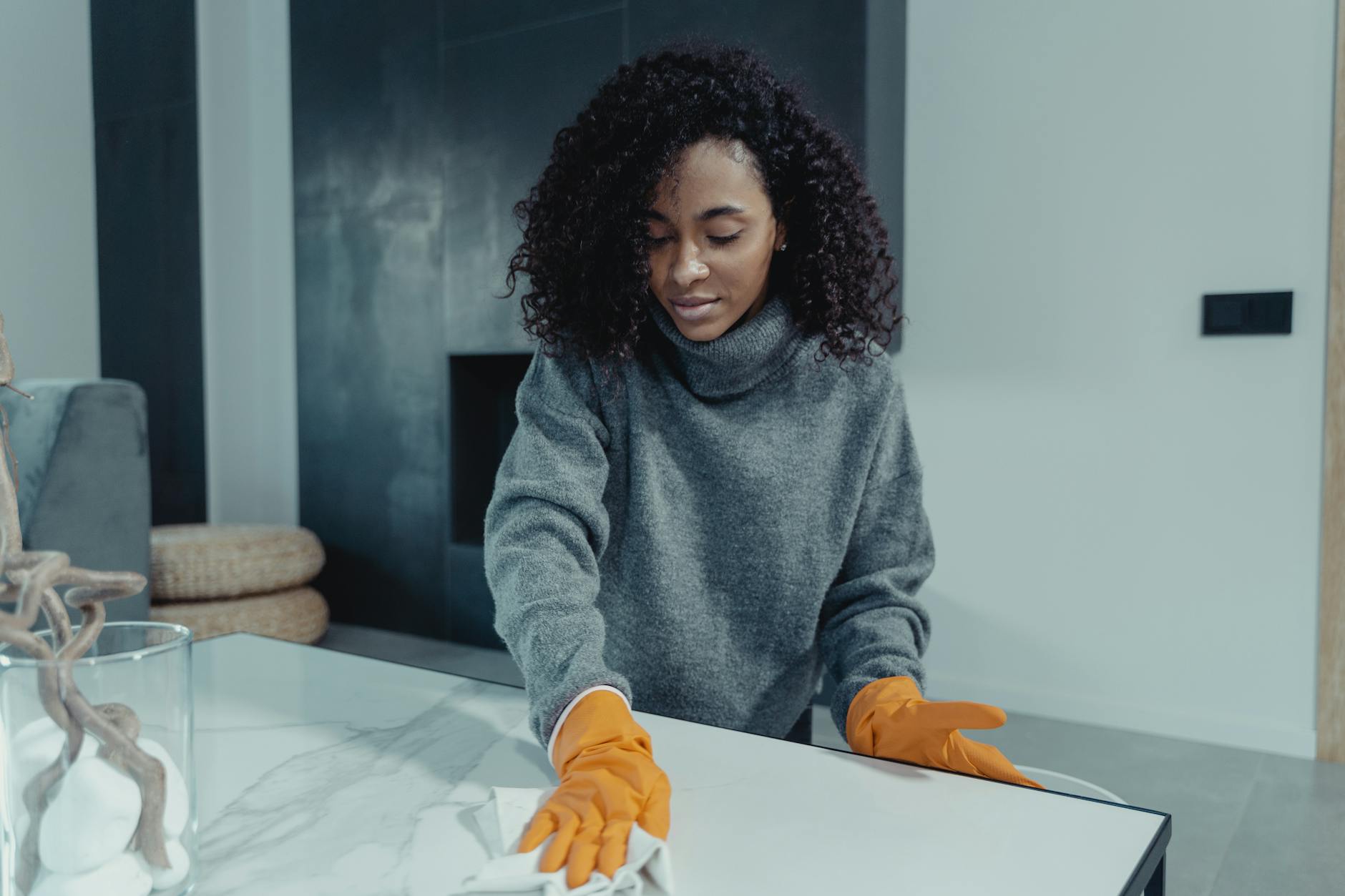
Choose the rooms and tasks that matter most for your West Village home. Share your priorities when arranging the checklist and estimated cleaner-hours.
Discuss appliance interiors, cabinets and detailed tasks separately. Cleaning does not guarantee a tenancy deposit refund or repair existing damage.
Prepare for your visit with access instructions and a checklist suited to your home’s layout.
Explain which floors are included, whether there are interior stairs and where supplies can be stored. Agree on room priorities before estimating cleaner-hours; stairs and separate floors change how the checklist is organized.
Explain which floors are included, whether there are interior stairs and where supplies can be stored. Agree on room priorities before estimating cleaner-hours; stairs and separate floors change how the checklist is organized.
List the rooms and floors to include, pet arrangements, entry instructions and the priority bathrooms or kitchen tasks. Separate basements, garages and outdoor areas from the interior checklist.
If you describe the location using a nearby reference such as Washington Square Park or Bleecker Street, also provide the exact street address, unit and entry instructions. A landmark alone is not enough to confirm service.
Tell the operator about stairs, elevator reservations, parking, delicate surfaces, product restrictions, pets and off-limit rooms. Ask about any building documentation before confirming the visit.
Ask for the applicable hourly rate, supply option, team size and estimated cleaner-hours for your specific checklist. Review minimum duration, any eligible discount or adjustment, payment timing and the accepted appointment terms.
Confirm whether you will provide the supplies and equipment or request them with the visit. Explain product restrictions and material-care instructions.
Two cleaners working for two hours involve four cleaner-hours. A time estimate does not guarantee that every requested task fits into the appointment.
Confirm the requested date, arrival time and safe access. Sending a message or opening the booking page does not confirm an appointment.
The linked NYC operator currently publishes $59 per cleaner-hour with client supplies, $69 with supplies included and $89 for same-day ordinary cleaning. Two cleaner-hours at those base rates are $118, $138 and $178 before applicable discounts or adjustments. Confirm the rate and terms for the requested address.
An entry area can hold shoes, bags, parcels and small belongings owned by several people. Before requesting ordinary work on its bench or shelves, the household needs to decide what will be relocated and what remains untouched. This West Village guide focuses on possession ownership and exposed storage surfaces, rather than a household outing routine or a general floor-route plan.
The guide does not promise shoe care, bag treatment, parcel handling, furniture movement or private organizing. Any appropriate additional task needs its own assessment and actual acceptance within the proposed visit. A small entry area can still contain important personal decisions that should not be assigned to a cleaner through the phrase tidy everything.
The NYC Maid is the NYC-based service company behind this local guide. The neighborhood domain does not represent a separate West Village office or an independent review service. Use the operator's actual process to discuss suitability, availability, scope, supplies, staffing, estimate and terms. The guide helps describe a request and does not confirm a visit.
Consult the service catalog for category context and the service-area directory for location context. Use the online booking form for a service request. People seeking work should use the separate application form; that link does not establish a particular vacancy or hiring outcome.
A resident may want to sort shoes, find a bag, decide what happens to packaging and arrange ordinary surface work. Those concerns can share a personal list without all becoming cleaner responsibilities. Resolve ownership and placement decisions separately, then name the exposed bench or shelf the operator is being asked to assess.
Shoes can occupy a bench, shelf or storage cubby, but their presence does not establish that the cleaner may sort, treat or relocate them. The responsible household members should decide what happens to their belongings. The ordinary cleaning request can then identify the surface that is actually exposed, or the restriction if shoes remain untouched.
Do not ask a cleaner to infer which pair belongs to whom, which should be discarded or where different shoes should be stored. Those are household decisions. A surface request should not hide them within tidy the entry. If any appropriate additional task is desired, ask specifically whether it can be assessed and accepted through the operator's process.
This guide does not promise polishing, stain treatment, washing, repair or care of footwear. A bench holding shoes is still a different proposed surface from the shoes themselves. The household should use reliable item-specific information for footwear questions and keep those decisions separate from ordinary furniture work.
If residents will relocate shoes before the visit, describe that as planned preparation until it is complete. An instruction sent to another person does not mean the shelf is empty. The operator needs current facts or a clearly identified dependency, rather than a ready-surface claim based on an assumed action.
If shoes remain, describe the available portion and ask whether a limited task is appropriate. Do not expect an empty-shelf result beneath retained belongings. The household can preserve its possessions while requesting useful ordinary work, provided the accepted limitation is understood.
A bag in the entry area is a personal possession, not merely an obstacle to cleaning. Its contents should not need to be inspected to determine the surface request. The responsible person can relocate it or state that it remains untouched. The operator can assess the exposed bench or shelf without inheriting private sorting.
Do not infer bag cleaning, emptying or organizing from a general entry-area request. A household may want the furniture surface underneath assessed, but that does not authorize opening compartments, handling documents or choosing where belongings should go. Any appropriate additional task requires its own assessment and actual acceptance.
An apparently empty bag can still contain private items or have care requirements the cleaner does not know. The household should make the handling decision. There is no need to explain private contents in the scope note; a direct location-based restriction is enough where it communicates the relevant limit.
If several residents use the same bench, gather their decisions before claiming it is prepared. One booking contact should not assume authority over another person's bag because it occupies a shared surface. The cleaner needs one consistent instruction, not responsibility for deciding whose preference controls.
During review, preserve the same boundary. A bag left untouched is not an omitted task if it remained excluded. A concern about an included exposed bench portion can be raised specifically without revealing personal contents. The household's privacy limit should remain intact from request through follow-up.
Parcels may rest on an entry bench or shelf while the household decides what to open, keep or return. Those decisions belong to the responsible recipient. A cleaner should not open packages, infer what is disposable or decide how a return should be handled as an unspoken part of ordinary cleaning.
If the household will relocate parcels, state that preparation accurately. If they remain, describe the available portion of the surface and the no-handling restriction. The operator can assess a limited ordinary task. Do not describe a bench as empty while its availability still depends on someone completing parcel decisions.
A box may contain an accessory, document or item intended for return. The cleaner should not inspect it to discover whether it matters. The responsible resident can decide what is clearly designated ordinary waste and discuss any relevant task through the actual process. This guide does not establish parcel transport, returns handling or waste-removal service.
Labels may contain personal information. If an image is useful for a surface question, check whether parcel details are visible and share only what is necessary. A written note that boxes remain untouched may be enough. The operator needs access information, not a record of the household's purchases.
Review accepted surface work separately from unresolved parcels. A package awaiting the recipient's decision is not an omitted cleaning task. A newly cleared bench area is a future assessment question rather than proof that earlier limited work was incomplete.
An entry bench can have a top, frame, open shelf, drawers or an upholstered section. The word bench does not establish which surfaces the household wants assessed. Name the particular exposed feature and identify retained belongings. The operator can then assess an ordinary task without assuming every component is included.
Describe the visible condition without diagnosing it. Loose dust, visible fingerprints and an unfamiliar patch are different observations. If the finish is unknown, say so. The operator may need more information or may limit the task. Ordinary cleaning should not be treated as restoration of every mark or material.
If the bench has a fabric or other soft component, do not infer specialist treatment from a general furniture request. This guide does not provide care methods or promise extraction, stain removal or repair. Ask about the particular concern separately and retain the operator's actual decision.
If objects remain on the bench, identify the available portion rather than expecting a full empty-surface result. A desired uniform appearance should not become an instruction to override a no-handling limit. Discuss any mismatch before relying on the visit.
Use the same surface name during review. A concern about the accepted exposed front edge is clearer than a claim about the entire entry area. The record should separate furniture work from shoe care, parcel decisions and private belongings that were excluded.
An entry unit may contain several shelves with different contents. One can be clear while another holds bags and a third contains private containers. Describe the particular exposed surface proposed. A broad storage-ready label can conceal the very restriction the operator needs to assess.
If the household clears one level, identify that level in recognizable language. Do not let a narrow exception become general permission to handle every shelf. The cleaner should not open containers or move belongings to discover which areas the resident meant.
A shelf can be visible while still being high, awkward or partly concealed by a fixed feature. Describe the actual condition and ask what ordinary work is appropriate. This guide does not provide climbing, lifting or dismantling instructions. The operator's assessment should determine the accepted limit.
If another shelf becomes available after the request, report the new condition and ask about any additional task. Improved preparation creates information, not automatic inclusion. Material suitability and the complete arrangement still matter.
During review, preserve the same surface labels and restrictions. A furnished or excluded shelf should not become an omitted task after the fact. A specific concern on an accepted exposed portion can still be raised directly. Clear scope supports a fair conversation without requiring private inventories.
A cupboard or drawer in an entry unit may contain keys, papers, accessories or other private belongings. A request concerning its exterior should not silently authorize opening it. State that closed storage remains closed unless a specific appropriate interior task is discussed and accepted.
If the household empties one shelf for assessment, identify the exception narrowly. The rest of the unit can remain private. An emptied interior still needs an operator decision about materials, access and suitability. Preparation does not itself add the task to the visit.
The cleaner should not decide where possessions belong or what the household should discard to reach a surface. The responsible residents can complete their own preparation and then describe the exposed area. If an appropriate additional task is desired, ask specifically rather than relying on tidy everything.
Shared storage needs shared decisions. One booking contact should not assume control over another person's belongings. Gather a consistent current instruction before expecting the cleaner to act. There is no need to explain private reasons behind every limit; the operator needs the meaningful boundary.
Review accepted exteriors and any specific interiors separately. A closed drawer remains outside the task if excluded. A concern about an accepted exposed shelf can be raised with its location and observation. Keep private contents private while asking a direct service question.
Keys, cards, small accessories and notes may collect on an entry shelf. The responsible resident should decide how they are handled. A cleaner should not have to identify their purpose, read documents or determine who owns them to expose the furniture surface.
The household can relocate those items appropriately or state that they remain untouched. This guide does not prescribe a storage method. The relevant cleaning fact is which surface is exposed and what restriction remains. A short clear boundary can be more useful than a detailed private inventory.
An item can be easy to move while still being important or private. Calling the task quick does not establish permission or acceptance. If any appropriate handling is proposed, describe it specifically and retain the actual operator decision. Do not infer a general organizing service from an ordinary shelf request.
Check images for private details before sharing them. A photograph intended to show a shelf can reveal keys, documents or labels unrelated to the assessment. A written no-handling note may communicate the boundary without creating an unnecessary image record.
During review, keep possession questions separate from accepted surface work. An object left untouched is not an omitted task if excluded. A specific concern about the exposed portion can be discussed directly. The household's ownership boundary should remain consistent throughout the arrangement.
Coats, hats and other accessories may hang above a bench or occupy a shelf. The household should decide what will be relocated and what remains untouched. Ordinary surface cleaning does not establish garment care, sorting, folding or storage decisions. Any appropriate additional task requires separate assessment and actual acceptance.
If retained belongings limit access to a furniture surface, describe that condition. The operator can assess the available portion under the actual restriction. Do not expect the cleaner to decide whether a garment can be moved or how it should be returned simply because the household wants the bench to look clearer.
The resident should not ask the cleaner to infer whether an item is clean, used, delicate or ready to store. Those decisions belong to the responsible person using reliable item-specific information where needed. This guide does not provide textile-care methods.
If several residents share the unit, gather their decisions before describing it as prepared. A message asking someone to relocate a coat does not mean the surface is available. Use accurate current status rather than presenting an intention as a completed fact.
Review the ordinary furniture task separately from retained garments. A concern about a fabric item is a different inquiry, not automatically evidence that surface work was omitted. Consistent boundaries help the household preserve belongings while arranging useful ordinary cleaning.
An entry bench, shelf, drawer front and upholstered section may have different materials. Share reliable manufacturer information for the particular surface if available. If the finish is unknown, say so. Do not choose a familiar material label merely because it sounds plausible.
Describe marks as observations rather than diagnoses. A dull patch, line or changed texture may not be ordinary soil. The operator can assess an appropriate task, limit it or exclude it pending information. This guide does not provide treatment methods or promise restoration.
If the household proposes a product or has a relevant restriction, discuss it through the operator's actual process. Do not assume availability establishes suitability or acceptance. Keep reliable labels and information where relevant. An unidentified liquid should not become the basis for an ordinary surface request.
The complete supply arrangement belongs with the proposed visit. Scope, staffing, duration, supplies and estimate should be understood together. The guide creates no special price, preparation discount or minimum exception for an entry bench. Actual terms remain the basis for expectations.
If a material concern remains unresolved, preserve it beside the relevant surface. A question awaiting a decision should not migrate into the accepted list. Other ordinary surfaces can still be discussed without pretending every feature has been assessed uniformly.
Relocating shoes, bags and parcels exposes one surface but can cover another. The household should make appropriate temporary-placement decisions and describe the actual condition of every proposed task. A clear bench and a counter now holding its contents are different facts. Do not present both as exposed if that is not true.
This guide does not prescribe storage methods or advise unsafe lifting. The responsible resident should handle belongings appropriately using reliable item-specific information where needed. If preparation cannot be completed, describe the restriction rather than promising a clear surface that depends on an unsuitable action.
The household may choose to expose one shelf instead of the whole unit. Ask the operator whether that limited ordinary task is appropriate within the actual arrangement. The guide does not create a phased package or special rate. It helps distinguish a real current condition from a broader private plan.
If another resident will return belongings after the visit, confirm that responsibility. The cleaner should not be expected to choose where possessions belong simply because the household has moved them temporarily. Any appropriate additional task needs a specific assessment and actual acceptance.
After accepted work, the household should use the actual surface condition and applicable care information when returning items. This guide does not establish a universal drying or reuse period. Keep personal placement decisions separate from the ordinary task agreed with the operator.
A bench or shelving unit can conceal surfaces behind or beneath it. A general entry-storage request should not imply moving, lifting or dismantling furniture to reach those areas. Describe the retained unit and the actual exposed portion proposed. The operator can assess ordinary work without an unspoken moving obligation.
If a feature is fixed, uncertain or not operating normally, report the observation. A cleaner should not discover removability by trying to shift it. This guide does not provide furniture-handling or repair instructions. The household can identify a desired surface without prescribing improvised access.
A resident may see a concern behind furniture without there being an appropriate accepted task to reach it. The operator needs the real arrangement and relevant limits. A desired whole-unit appearance does not settle access, materials or suitability. Keep the actual decision beside the particular surface.
If the household changes the arrangement appropriately before arrival, describe the current condition and ask about any newly available task. Improved access creates new information rather than automatic inclusion. The complete proposed visit still matters.
Review accepted exposed areas separately from concealed or excluded surfaces. A concern behind retained furniture is a different question from an included shelf edge. Clear scope lets the household ask a fair ordinary-service question without turning it into an unaccepted moving or maintenance request.
An entry shelf may look empty of loose possessions while still holding a basket, tray or covering. Describe that condition. The object and the furniture beneath it are different possible tasks. Do not assume removal, treatment or replacement is included simply because the household wants the unit cleaned.
The responsible resident should decide whether an item will be relocated appropriately. This guide does not provide removal or care methods. If the item remains untouched, identify the exposed portion and ask about a limited ordinary task. The operator can assess the actual condition rather than an imagined bare shelf.
If a liner or tray is later relocated and a mark appears, describe the observation and material uncertainty. Newly exposed does not automatically mean ordinary or accepted. The operator may need more information or may exclude the feature. Do not expect routine work to restore an unknown finish.
A basket's contents remain private unless a specific appropriate task is accepted. The cleaner should not open, sort or inspect them to determine what can be moved. A simple retained-object boundary can communicate the relevant limit without a private inventory.
During review, use the same distinction. A concealed area beneath an excluded tray should not become an omitted task after the fact. A specific concern about an included exposed portion can be raised directly. The record should preserve the boundary that shaped the original request.
Mail, notes and papers can collect beside entry storage. Their content should not need to be read to understand a cleaning request. The responsible person can relocate them or state that they remain untouched. The operator can assess the exposed surface without inheriting a private document decision.
Do not ask a cleaner to determine whether a paper matters from its appearance. An envelope may contain something personal, and an apparently blank page may still belong to someone. A general instruction to clear the shelf should not authorize inspection or disposal of private material.
A location-based note can say papers remain untouched on the rear portion while a particular exposed edge is proposed. There is no need to disclose what the papers concern. The cleaner needs the meaningful restriction and actual surface, not the household's private background.
If the household later clears the papers, ask about any additional surface task. Preparation improving does not automatically expand acceptance. Material suitability and the complete arrangement still matter. Retain the operator's actual response rather than assuming the new condition has silently added work.
During follow-up, preserve privacy in images and descriptions. A specific concern about an included surface can be raised without showing unrelated documents. An image does not establish permission or prove when a condition arose. Pair any useful information with the actual accepted scope.
Entry storage can change quickly as belongings return to a bench or new parcels arrive. The household should report meaningful changes affecting accepted work. Do not leave the operator relying on an old empty-shelf description when the current condition is furnished and private.
Not every moved object requires a new message. Focus on facts that change the proposed task: a surface becoming obstructed, storage being refilled or a material concern appearing. A concise current description is more useful than a long history that leaves the cleaner unsure which instruction applies.
Will be cleared describes a plan. Is exposed describes a condition. Requested describes a question. Accepted describes an actual operator decision. Keep these meanings separate. A household checklist should not become more definite than the facts supporting it simply because every entry uses the same checkmark.
If preparation depends on another person, confirm the action before treating it as complete. A message asking someone to relocate a bag does not make the bench available. The operator can assess a truthful partial condition more sensibly than a fully prepared claim built on an assumed action.
If preparation cannot be completed, say so directly and ask about the effect on the arrangement. Do not assume additional handling, time or substitute work has been approved. A changed household condition is information for a real decision, not acceptance of a different service.
The household may want entry storage assessed alongside other ordinary rooms. State which exposed surfaces matter most and ask how they fit the complete arrangement. A priority does not establish suitability, change a minimum or override a no-handling restriction. The operator still needs to assess the actual task.
A short priority list is more useful than declaring every bench, shelf, bag and parcel essential. Separate the household's possession decisions from ordinary surfaces proposed to the operator. Mixing them can make it appear that the cleaner has accepted sorting or item care that was never assessed.
If one surface is excluded, another is not automatically included in its place. The substitute can have different materials, access, supplies or preparation needs. Ask about the proposed change rather than treating every task as an interchangeable amount of effort.
If the household accepts a limited task, retain it accurately. A broad wish for the whole entry area to look different should not become a promise afterward. Equally, a general statement about priorities should not erase a specific confirmed ordinary task. The record should preserve actual decisions.
Use consistent surface names. The exposed top of the bench beside the doorway is more identifiable than the shoe area if that phrase could mean several features. Clear ordinary language helps both the operator and household review the same task without inspecting private belongings.
Start with the specific ordinary furniture surface and its current condition. Identify reliable material information and honest unknowns. Then state resident-owned preparation, retained shoes or bags, parcel restrictions and closed storage. The operator should understand the task without interpreting private possessions or deciding what the household wants to keep.
A hypothetical note might say: “Please assess ordinary cleaning of the exposed bench top beside the entry doorway and the empty lower shelf. Residents will handle shoes and bags before the visit. Parcels on the upper shelf remain untouched, and drawers stay closed. The bench finish is unknown. Please confirm the accepted surfaces and any remaining preparation.” This is a wording example, not a package or quote.
An unknown finish or retained object should not be buried in unrelated household background. State the important limit next to the proposed task. If only one shelf is prepared, identify it narrowly. The cleaner should not have to open storage or move belongings to discover what the household intended.
Discuss the complete proposed visit when assessing scope, supplies, staffing, duration and estimate. Do not add entry work mentally after other details have been considered. This guide creates no new package, price adjustment or minimum exception. The operator's actual terms and acceptance remain the basis for expectations.
Retain actual decisions. A sent request is not necessarily included, and acknowledgment is not necessarily approval of every proposed item. Keep accepted, limited, excluded and unresolved tasks distinct. If the current condition changes before arrival, report the meaningful difference and obtain any necessary decision.
Imagine a household preparing entry storage for ordinary cleaning. The bench top is exposed, but one shelf still holds shoes belonging to another resident. The booking contact says the unit is ready because most belongings have been relocated. That general label conceals an important ownership and access limit.
A clearer request names the exposed bench top and states that the furnished shelf remains untouched. The household can resolve shoe decisions separately. The cleaner should not determine which pairs belong to whom or where they should be stored to create the empty-unit appearance the contact imagined.
The operator can assess the actual exposed surfaces under the restriction. If a limited result will not meet the household's purpose, discuss that before accepting the arrangement. A cleaner should not override the no-handling boundary merely to make the whole unit look uniform.
If the other resident later relocates the shoes, report the new condition and ask about any additional task. Improved access creates information for assessment, not automatic inclusion. The shelf's material and current condition still matter within the complete visit.
After the visit, review accepted surfaces and preserve excluded portions. A concern about the exposed bench can be raised specifically. The furnished shelf is a separate question if it remained outside scope. A later decision to clear it does not prove earlier work was omitted.
This invented case shows why surface-specific facts can be more useful than a whole-unit readiness claim. The household can preserve individual ownership while arranging ordinary work. The operator needs current conditions and consistent boundaries, not an assumed authority to move everything in shared storage.
A resident wants an entry shelf cleaned, but a parcel remains on it. The parcel belongs to another person who has not decided whether it should be opened, kept or returned. The cleaner should not inherit that decision through a general instruction to clear the shelf. Ownership and surface access are separate questions.
The booking contact can describe the parcel as untouched and identify any exposed portion proposed. The operator can assess a limited ordinary task. The household should not expect inspection of the package, disposal of packaging or return handling unless a specific appropriate task is separately assessed and accepted.
If the recipient later relocates the parcel, report the newly exposed area and ask about any additional task. The improved condition does not automatically expand acceptance. The surface may have a material or condition question that still needs assessment.
If a new parcel arrives before the visit, the current restriction matters. Do not leave an empty-shelf description in place and expect the cleaner to decide whether the new package can be moved. A concise update can preserve a clear ordinary request without revealing private purchase details.
A package awaiting the recipient's decision is not an omitted cleaning task if excluded. A concern about an accepted exposed shelf portion can be raised specifically. If the shelf is cleared after the visit, that creates a future assessment question rather than a retroactive whole-shelf promise.
This scenario is hypothetical. Its practical lesson is that a possession can be temporary while still requiring private permission. The operator needs the actual exposed surface, not authority to resolve the household's unfinished parcel decisions.
A household requests ordinary work on an entry bench while a personal bag remains on one side. The bag's owner wants it untouched, but another resident expects the whole top to look evenly cleaned. Those preferences create an access limit that should be discussed before the visit. The cleaner should not be expected to choose which instruction matters more.
A clearer request identifies the exposed portion and preserves the bag restriction. The operator can assess that limited ordinary task. If a partial result will not serve the household's purpose, the residents should resolve the issue before accepting the arrangement rather than expecting the cleaner to override private permission.
The cleaner should not open compartments, inspect contents or decide where the bag belongs. Those are personal decisions. The household can relocate it appropriately or retain it under a clear boundary. This guide does not promise bag care or organizing, and the item's size does not establish a handling inclusion.
If the owner relocates the bag before arrival, report the new condition and ask about any additional surface work. Improved access does not settle material suitability or automatically expand the complete arrangement. The operator's actual acceptance remains necessary.
After the visit, review the accepted exposed portion. A concealed area beneath the retained bag should not become an omitted task if it was excluded. A concern on an included portion can be raised directly with its location and observation, without revealing private bag contents.
This invented case illustrates why a household's visual goal and possession boundary need to be compatible. The operator can assess a truthful limited task, but should not inherit a contradiction that requires either unwanted handling or an unaccepted complete result.
A resident appropriately relocates a tray and discovers a changed patch on the bench top. The resident does not know the finish or cause. The newly exposed surface is useful information, but it is not proof of an easy ordinary-cleaning task. The request should describe the observation and uncertainty separately.
The operator can assess whether ordinary work is suitable, limited or excluded. Reliable care information may help, but does not require acceptance of a treatment. This guide does not diagnose the mark or provide product methods. A desired appearance should not be treated as a restoration guarantee.
The tray being relocated improves access. Material suitability remains a separate decision. The household should not assume the newly available area has been added to an earlier arrangement without an actual response. A clear note can identify the new surface and the question requiring assessment.
If other exposed parts are accepted while the patch remains unresolved, keep that exception visible. A broad statement that the bench is included can conceal a meaningful limit. The household's record should distinguish ordinary accepted work from a concern still awaiting information.
If the patch remains, refer to the real scope and material decision. Do not infer restoration where none was accepted. A specific concern about an included ordinary task can still be raised directly. Accurate distinctions allow a fair conversation without overstating either the service claim or the complaint.
This invented example shows why clearing belongings can reveal a question rather than resolve it. Honest uncertainty gives the operator a useful basis for assessment. A confident unsupported explanation can create expectations neither party has actually agreed to.
A household clears an entry shelf and describes it as exposed in the request. Before the visit, residents return bags and accessories to it. The current condition no longer matches the note. The booking contact should communicate the meaningful change rather than expecting the cleaner to recreate the earlier preparation through private handling.
The contact can state which surface is now obstructed and what remains untouched. The operator can assess the effect on the arrangement. Do not assume extra time, unaccepted sorting or a substitute task has been approved. The real decision should reflect the current request.
The cleaner should not have to choose between an earlier clear-shelf statement and a later vague note that things changed. A concise update can identify the exposed portion, retained belongings and actual accepted limit. There is no need to provide private reasons for every returned object.
If the household re-clears the shelf, describe the current condition accurately. Repeated changes do not require a detailed history if one truthful present summary answers the scope question. The operator needs the fact that affects work, not every intermediate household action.
After the visit, use the actual accepted scope and confirmed changes. Do not evaluate work against a preparation state the household abandoned but never restored. A specific concern on an included surface can be raised with context. An excluded furnished section remains a separate question.
This case is hypothetical. Its lesson is that preparation is a real condition, not a permanent label attached to a booking. Current facts and actual decisions should remain together so the household and operator understand the same ordinary task.
Supply arrangements should be confirmed through the operator's process. If the household proposes a product or has a relevant restriction, state it clearly. Availability at home does not establish suitability or acceptance. The operator assesses the ordinary work and supplies it can appropriately use.
A bench top, shelf, drawer base and upholstered section can have different materials. A care instruction for one does not automatically apply to all. Identify reliable information by surface where it matters and preserve honest unknowns. This guide does not provide product mixing, treatment or application directions.
A preferred product does not identify an unknown finish or guarantee a result. The household should describe the actual uncertainty and ask about assessment. The operator may limit or exclude a task. A desired uniform appearance does not require progressively stronger treatments.
The complete proposed visit should be understood together: scope, supplies, staffing, duration, estimate and actual terms. This guide creates no special package or preparation discount. If a required arrangement cannot be met, discuss the effect before relying on the visit rather than assuming a substitute has been approved.
Retain the actual response. Acknowledging a preference is not necessarily accepting every proposed product or task. Clear records prevent a household wish from turning into an assumed service promise. The operator needs a real current request, not an arrangement silently revised after the discussion.
A photograph may help show the exposed portion of a bench or how retained objects restrict a shelf. Before sharing one, identify the decision it helps the operator make. If a written boundary is enough, an image may be unnecessary. The household should not need to create a private inventory to ask about ordinary furniture work.
Check labels, documents, keys and reflections before sharing an image. Personal information can appear outside the intended subject. A close crop can also conceal an obstruction that affects the actual task. Describe the relevant wider condition truthfully instead of making the proposed surface appear more available than it is.
A photograph of a bag does not authorize opening it. A photograph of shoes does not promise footwear care. A photograph of packaging does not establish that it is waste. Pair useful images with a written description of the proposed surface, retained belongings and important unknowns.
For a concern after the visit, include the accepted scope and specific observation. An image can show a current condition without proving when it arose. The operator's actual process and terms govern the response. More private images do not replace the context needed to understand a fair service question.
If additional information is requested, respond to the actual assessment need rather than guessing which private details might help. A recognizable surface location and truthful current condition often matter more than an account of everything stored in the entry area.
Begin review with the actual arrangement. Identify the bench or shelf portion accepted, retained objects, closed storage and any confirmed changes. This record is a better basis than asking whether every possession in the entry area has been reorganized. The household may still have private decisions outside the ordinary task.
A concern should identify the included surface and observation. The exposed front portion of the bench is clearer than the entire entry unit. If the household believes an accepted task was missed, name it directly. Specific language gives the operator a question it can assess without private interpretation.
A shelf cleared after the visit creates a new condition for assessment. It is not the same as an accepted exposed surface the household believes was missed. Keep those questions separate so the operator can respond through the appropriate process and actual terms.
If a mark remains, refer to the actual material decision and observation. Do not assume a cause without a basis or infer restoration from ordinary cleaning. Equally, a general statement that work occurred should not erase a specific accepted concern. Accuracy matters in both directions.
Retain the actual response. Acknowledgment does not necessarily accept a particular explanation or remedy. A proposed next step is not a completed next step. This guide creates no guarantee, refund rule or follow-up entitlement beyond real service terms. It supports a clear question within the actual arrangement.
A short record can help when several people own belongings in one unit. It need not become a detailed household manual. Include only facts that change a real ordinary-cleaning decision: location, current exposed portion, resident-owned preparation, retained possessions, material unknowns and actual operator acceptance. Private contents are usually unnecessary.
Name the particular bench top, shelf or exterior. Describe visible observations and reliable care information. If the material is unknown, say so. Do not let a general entry-area label conceal different surfaces or an uncertain condition that could affect suitability.
Record who will handle shoes, bags, parcels and private papers, and whether preparation is complete. Do not assign an action to someone who has not agreed or treat an intention as a finished fact. The cleaner should not inherit unfinished ownership decisions as an invisible prerequisite.
Identify retained belongings, closed storage and any narrow exception. Keep the operator's accepted tasks, limitations and unresolved questions beside the relevant surface. A sent request is not necessarily included. Current facts and actual acceptance should remain distinguishable.
Use the same surface names afterward. Separate a concern about included work from a new request on newly exposed space. Retain only useful current information for another inquiry. An old limitation may still matter, but check the actual condition before presenting it as a current fact.
The following examples are hypothetical wording exercises, not standard inclusions or customer accounts. They show how a request can preserve private possessions while making ordinary surfaces understandable. Clear language does not need to be formal. It needs an identifiable task and truthful boundaries.
The responsible residents should decide what happens to their footwear. If they will prepare the shelf, describe the resulting exposed surface accurately. If shoes remain, state that restriction and ask about a limited task. The guide does not promise shoe care, disposal decisions or private organizing.
One booking contact should not assume permission over another person's shoes because they share an entry unit. Resolve ownership within the household and provide one consistent current boundary. The cleaner should not have to determine whose preference controls from appearance.
State whether the owners will relocate them or whether they remain untouched. A bag is not merely an obstruction; it may contain private belongings and have item-specific care requirements. The ordinary request should name the exposed furniture portion rather than authorize inspection or sorting.
If any appropriate additional handling task is desired, ask specifically and retain the actual operator decision. Calling the task small does not establish acceptance. The household's desired appearance and privacy boundary should be compatible before the visit is relied upon.
The responsible recipient should decide what packaging is waste and what belongs with a return or stored item. The cleaner should not open parcels to determine that. Discuss any clearly designated ordinary waste task through the actual process and keep it separate from surface cleaning.
If parcels remain, identify the exposed portion and no-handling restriction. A newly cleared shelf later creates a new assessment question rather than automatic additional work. The operator needs current conditions and real decisions, not assumed authority over private deliveries.
Describe the ordinary surface concern and honest material unknowns. A changed finish or persistent mark may not be routine soil. The guide does not promise restoration, repair or specialist treatment. The operator can assess a suitable task, limit it or exclude it pending information.
Review against the actual accepted outcome. A remaining unresolved feature is not necessarily an omitted ordinary task. A specific concern about included work can still be raised clearly. Accurate language supports a fair exchange without inflating either the promise or complaint.
State what is exposed and what remains untouched. A clear bench, furnished upper shelf and closed drawer are different conditions. A few concrete facts can be more useful than a whole-unit readiness label. Planned preparation should remain distinct from completed preparation.
If another person is responsible for an action, confirm it before treating it as done. A message asking someone to move a bag does not make the surface available. The operator should receive the real condition or a clearly identified dependency, not an assumed finished fact.
Imagine a household arranging ordinary cleaning within a broader visit. An entry bench holds a bag and several pairs of shoes. The lower shelf is exposed, the upper shelf holds parcels and a drawer contains private papers. The resident wants the unit to look less cluttered but does not have permission to handle every possession. That visual goal is not yet an assessable ordinary task.
The residents decide who will relocate their own shoes and bags. The parcel recipient handles decisions about deliveries and packaging. Private papers remain in the closed drawer. These choices do not need a detailed personal explanation in the service note. The operator needs to know which surfaces are actually exposed and what remains untouched.
Preparation is only partly complete when the request is first drafted. The lower shelf is empty, but the bench still holds a bag whose owner has not acted. The contact should not describe the whole unit as ready. A current note can distinguish the exposed shelf from the bench preparation that remains a dependency.
The household proposes the exposed lower shelf and, if prepared, the bench top. It knows the shelf material but not the bench finish. A visible patch on the bench has an uncertain cause. These are different facts, and the request should preserve them rather than claiming the whole unit simply needs routine wiping.
The operator can assess the particular ordinary tasks and decide what information is needed. A limited acceptance for the shelf does not settle the bench material question. The closed drawer and retained parcels remain outside the task unless an appropriate specific exception is assessed and accepted.
The entry unit is one part of the proposed visit. Its tasks should be included when scope, supplies, staffing, duration, estimate and actual terms are considered. The guide does not create a small-task package, a preparation discount or a minimum exception. The household should not add entry work mentally after other arrangements have been discussed.
The contact records the actual operator decisions beside the relevant surfaces. Accepted shelf work is distinguished from the unresolved bench question. Acknowledgment that the request arrived is not necessarily approval of every item. Questions should remain questions until the actual process confirms the relevant work.
Before arrival, the bag owner relocates the bag appropriately, exposing the bench. The contact reports the new condition and asks about the proposed surface. Improved access is information for assessment; it does not automatically settle the unknown finish or include the task. The operator's response still matters.
Then a new parcel is placed on the lower shelf. If that affects accepted work, communicate the current restriction. The cleaner should not arrive with an empty-shelf note and be expected to decide whether the package can be moved. A concise current summary is more useful than several incompatible versions of readiness.
After the visit, the household uses the same surface names and confirmed limits. A concern about an included exposed portion can be raised specifically. The private drawer remains outside the task if excluded. A parcel awaiting its recipient's decision is not an omitted cleaning responsibility.
If the bench patch remains, refer to the actual material decision rather than inferring restoration. A newly cleared area after the visit is a future assessment question. Keeping these distinctions intact lets the household ask a fair question about actual work without rewriting its own preparation and permission boundaries afterward.
This example is invented and combines several possible questions. A simple exposed bench may need only a short note. Use more detail only when it changes an actual decision about ownership, preparation, material suitability or accepted work. Private backgrounds and full possession inventories usually add little to that assessment.
The practical aim is a request the household and operator understand in the same way. It does not promise every entry-storage concern can be included. It preserves the current facts needed for assessment and a clear record against which accepted ordinary work can later be reviewed.
Do not assume sorting is included. The responsible residents should make possession and placement decisions. If any appropriate additional task is desired, ask specifically whether it can be assessed and accepted. This guide focuses on preparing exposed furniture surfaces and creates no new organizing promise.
You can state that they remain untouched and ask about the exposed portion. The operator decides whether a limited ordinary task is suitable. Do not expect an empty-surface result beneath retained objects. Discuss the limitation before relying on the visit if it affects your purpose.
Those decisions belong to the responsible recipient. Do not infer parcel handling or disposal from a surface request. Discuss any clearly designated ordinary waste-related task separately through the actual process. The guide does not establish returns handling, transport or inspection of private deliveries.
No interior permission should be inferred from a general exterior request. State that storage stays closed unless a specific appropriate interior task is assessed and accepted. If one emptied drawer is proposed, identify that exception narrowly while preserving the restriction elsewhere.
Keep any soft-material concern separate and ask what kind of assessment is appropriate. This guide does not promise specialist treatment, stain removal or repair. The presence of an upholstered section does not make every material part of an ordinary surface task.
Say so and share any reliable care information available. Do not invent a material label or direct a cleaner to keep trying stronger products. The operator may limit or exclude the task pending information. Ordinary cleaning should not be treated as a restoration guarantee.
You can ask. Improved access creates new information for assessment, not automatic inclusion. Material suitability and the complete arrangement still matter. Retain the actual operator decision rather than treating a sent request as accepted work.
Report the current condition and ask how it affects the arrangement. Do not assume additional handling, time or substitute tasks have been approved. A truthful partial description is more useful than a ready-unit claim that no longer matches the furniture.
Name the accepted surface and specific observation through the operator's actual process. Keep new requests separate from follow-up about included work. Share only necessary context and preserve privacy in any image. This guide does not establish a particular remedy.
A visitor should be able to identify the proposed bench or shelf without opening storage or examining private belongings. Check household nicknames that may be unclear. The empty lower shelf beside the entry doorway is more recognizable than the bag spot if several places could fit that description. Clear locations reduce unnecessary private inspection.
Next, check whether each preparation statement is true now. An intention to relocate shoes is not the same as an exposed shelf. If another resident is responsible for an action, confirm it before treating it as complete. The operator should receive current facts or an explicitly identified dependency, not a finished condition built on an assumption.
A proposed surface awaiting assessment should remain a question. Acknowledgment of a message is not necessarily approval of every task. If a material concern remains unresolved or a portion is excluded, preserve that distinction beside the surface. Do not let a general whole-unit label erase the detail that could change suitability.
Then compare the desired result with the possession limits. If bags and parcels remain untouched, concealed portions may remain outside scope. If storage stays closed, private interiors should not be part of the expected outcome. Discuss any mismatch before relying on the visit rather than asking the cleaner to resolve contradictory instructions.
Keep the current accepted note available to the agreed contact. A clear instruction hidden among outdated messages is less useful when a question arises. Retain the current surface description, meaningful limits and actual decision together without collecting unnecessary private information.
The NYC Maid is the NYC-based operator behind this West Village guide. Use the online booking form to discuss the proposed ordinary visit. Bring the specific exposed bench or shelf request, resident-owned preparation, retained possessions and honest material questions that affect the task.
The service catalog provides category context, and the service-area directory provides location context. People seeking work should use the separate application form. The neighborhood domain does not represent another office or an independent review service.
A useful entry-storage request preserves personal ownership while making ordinary surfaces understandable. It names the task, describes the actual condition and obtains a real acceptance. The household can then prepare and review against that arrangement rather than expecting every shoe, bag, parcel and private drawer to become part of a routine visit automatically.
The owner or responsible resident decides what happens to shoes, bags, parcels and papers. Their presence in a shared entry area does not make them public property or ordinary waste. A booking contact can coordinate the request without assuming authority over every item. The cleaner should not need to inspect belongings to determine permission.
The household's decisions may result in an exposed bench, an empty shelf or a retained-object restriction. Describe that condition truthfully. A plan to clear an area remains a plan until the action is complete. If the room changes, communicate the meaningful current fact rather than relying on an old readiness label.
An exposed surface still needs assessment of materials, access and the complete arrangement. The household's preparation does not itself confirm work. Retain the real response and distinguish accepted tasks from questions awaiting information. A neat checklist should not turn uncertainty into a promise simply because every entry looks equally definite.
If a bag is relocated, access improves while an unknown finish may still need assessment. If a shelf is accepted, the private drawer below it does not automatically become accessible. If care information arrives, it supports an inquiry without compelling a treatment. These distinctions prevent one positive fact from silently rewriting several boundaries.
The household can communicate the relevant change in a short current note. State the surface, actual condition, retained limit and question requiring a decision. There is no need to repeat every private detail or preserve a long preparation history. The operator needs the information that changes an actual ordinary-cleaning assessment.
A specific issue on an included surface can be raised through the real process. A newly cleared portion is a future request. A private item left untouched is not an omitted task if excluded. The guide does not dictate a remedy, but it helps the household ask a factual question based on the arrangement actually made.
For a simple bench, these distinctions may fit in a few sentences. Use more detail only when it affects ownership, current preparation, material suitability or accepted work. A concise accurate note can be more useful than a long checklist that blends household intentions with service promises. Keep the current facts and actual decision together.
Label past observations as past and future inquiries as future. A previous restriction may still matter, but check the current surface condition before presenting that restriction as a fact in another request.
Send the exact address, current condition, priorities and preferred date. The booking operator must confirm coverage, access, scope and appointment availability.
Tell the operator your preference and schedule. Cleaner assignments and appointment times depend on availability and must be confirmed.
Mention appliance and cabinet interiors, delicate finishes, high or difficult access and any heavy furniture. Separate ordinary cleaning from repairs, exterior work and specialist services.
No. Ordinary cleaning does not provide sewage cleanup, mold remediation, flood or fire restoration, crime-scene cleaning or biohazard removal. Contact the appropriate emergency service, property manager or qualified specialist for those conditions.
Contact the booking operator with the visit date, agreed checklist and the specific concern. Do not assume a refund, repeat visit or insurance outcome; review the applicable appointment terms.
Contact the booking operator about your own completed visit with its date, agreed checklist and the specific feedback.
Email Appointment FeedbackSend the address, priority tasks and preferred date. Wait for the operator to confirm the scope, estimate, access and appointment terms.
hi@thenycmaid.comBooking InformationThe NYC Maid — Booking Operator